The Ancient City That Outlasted Empires
This post contains affiliate links. If you purchase through them, I may earn a small commission at no extra cost to you.
The Ancient City That Outlasted Empires
The short answer: The ancient city of Byblos, located in modern-day Lebanon, is one of the oldest continuously inhabited cities in the world, thriving through centuries of empires due to its strategic location and cultural significance.
What makes Byblos unique among ancient cities?
Byblos is unique because it has been continuously inhabited for over 7,000 years, making it one of the oldest cities in the world. Unlike many ancient cities that have been abandoned or destroyed, Byblos has maintained its cultural and economic relevance through various empires and historical periods.
Byblos, known locally as Jbeil, has a rich history that dates back to the Neolithic period. It was a major Phoenician city and a key trading hub in the ancient world. The city's strategic location on the Mediterranean coast made it a vital center for trade and commerce, contributing to its longevity.
For more on the Phoenicians and their influence, check out How the Phoenicians Gave Us the Alphabet.
How did Byblos survive through centuries of empires?
Byblos survived through centuries of empires due to its strategic location, adaptability, and cultural significance. The city's location on the Mediterranean coast made it a vital trading hub, attracting various empires such as the Egyptians, Phoenicians, Greeks, Romans, and Ottomans.
Byblos' adaptability is evident in its ability to integrate and thrive under different rulers. The city's cultural significance, including its role in the spread of the Phoenician alphabet, further contributed to its survival. The city's historical layers, from Neolithic settlements to Roman theaters, reflect its continuous evolution and resilience.
What role did Byblos play in ancient trade?
Byblos played a crucial role in ancient trade as a major port city, facilitating the exchange of goods, ideas, and cultures. The city was a key hub for the trade of timber, especially cedar, which was highly prized in ancient Egypt for building ships and temples.
Byblos' trade connections extended across the Mediterranean, linking Egypt, Greece, and other regions. The city's strategic location and trade networks contributed to its economic prosperity and cultural influence. For more on the impact of ancient trade routes, see The Road That Built the World.
What historical landmarks can be found in Byblos today?
Byblos is home to numerous historical landmarks, including ancient ruins, a Crusader castle, and a UNESCO World Heritage site. The city's rich history is evident in its well-preserved archaeological sites, which attract visitors from around the world.
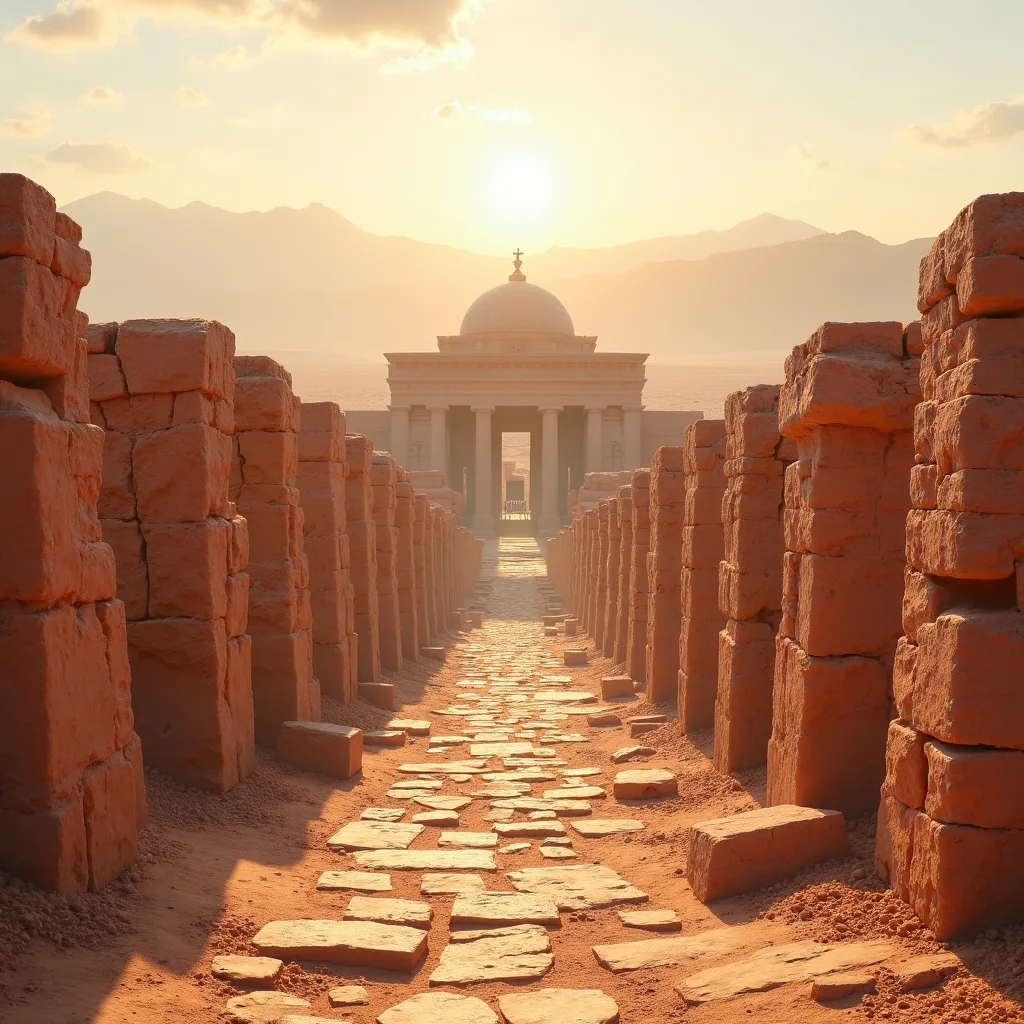
Key landmarks include the Byblos Castle, built by the Crusaders, and the ancient port area, which offers a glimpse into the city's maritime history. The UNESCO World Heritage site of Byblos includes the ancient ruins of temples, theaters, and public buildings that reflect the city's diverse cultural influences.
Key Definitions
- Byblos
- An ancient city in modern-day Lebanon, known for its continuous habitation for over 7,000 years and its strategic role in ancient trade.
- Phoenicians
- An ancient civilization known for their maritime trade, the development of the Phoenician alphabet, and their influence on Mediterranean cultures.
- UNESCO World Heritage Site
- A site designated by the United Nations Educational, Scientific and Cultural Organization (UNESCO) for its cultural, historical, or scientific significance.
The Bottom Line
Byblos stands as a testament to the resilience and adaptability of ancient cities. Its strategic location, cultural significance, and historical landmarks have ensured its survival through centuries of empires. Byblos continues to be a vital center of culture and history, attracting visitors and scholars alike.
Frequently Asked Questions
- What is the significance of Byblos in ancient history?
- Byblos is significant for its continuous habitation for over 7,000 years, its role as a major trading hub, and its cultural influence, including the spread of the Phoenician alphabet.
- How did Byblos adapt to different empires?
- Byblos adapted to different empires through its strategic location, trade networks, and cultural significance. The city integrated and thrived under various rulers, maintaining its relevance and prosperity.
- What are some key landmarks in Byblos today?
- Key landmarks in Byblos include the Byblos Castle, the ancient port area, and the UNESCO World Heritage site, which includes ruins of temples, theaters, and public buildings.