How Spices Changed the World
This post contains affiliate links. If you purchase through them, I may earn a small commission at no extra cost to you.
In 1498, Vasco da Gama returned to Portugal with a cargo hold full of pepper. The profit? 3,000%. That single voyage paid for the entire expedition sixty times over.
Spices were not just seasoning. They were currency, power, and the reason Europe colonized the world.
Why Spices Mattered
Today, black pepper costs a few dollars per pound. In medieval Europe, it was worth its weight in gold—literally. A pound of pepper could buy you freedom from serfdom, pay rent for a year, or settle a debt.
Why Were They So Valuable?
Preservation. Before refrigeration, spices helped preserve meat. Pepper, cloves, and cinnamon slowed spoilage and masked the taste of food that was starting to turn.
Medicine. Spices were believed to cure ailments, balance bodily humors, and ward off plague. Cinnamon was prescribed for digestion. Cloves for toothaches. Ginger for nausea.
Status. Serving heavily spiced food at a banquet was a flex. It showed wealth, access, and sophistication. The more exotic the spice, the higher your social standing.
The Spice Routes
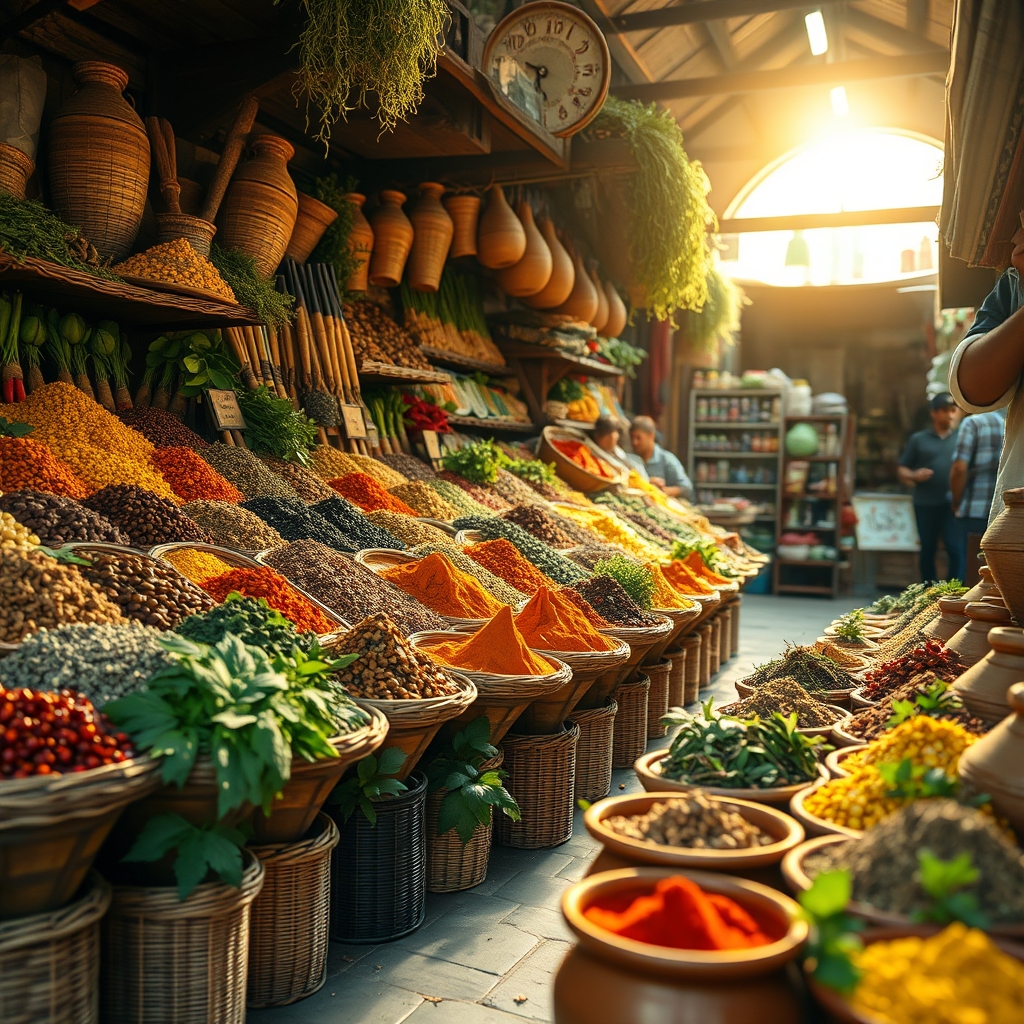
Spices came from places Europeans could barely imagine: the Malabar Coast of India, the Moluccas (Spice Islands) of Indonesia, Ceylon (Sri Lanka), and beyond.
To reach Europe, they traveled through layers of middlemen:
- Indonesian and Indian merchants shipped them across the Indian Ocean
- Arab traders moved them overland through the Middle East
- Venetian and Genoese merchants controlled distribution in Europe
Each layer added markup. By the time pepper reached a European table, it cost 100 times what it did at the source.
The Wars Over Spices
Portugal's Monopoly
When Vasco da Gama found a sea route to India, Portugal bypassed the middlemen and claimed control of the spice trade. For nearly a century, Portugal held a near-monopoly, building forts across the Indian Ocean and violently defending their routes.
The Dutch Takeover
In the 1600s, the Dutch East India Company (VOC) muscled Portugal out. They did not just control the trade—they controlled production.
The VOC burned entire clove and nutmeg forests on islands they did not control to create artificial scarcity. They massacred populations on the Banda Islands to eliminate competition. Spices were so valuable that genocide was seen as good business.
England's Entry
The British East India Company fought the Dutch for access, eventually shifting focus to India and establishing the colonial infrastructure that would dominate the subcontinent for centuries.
Spices were not just commodities—they were the justification for empire.
How Spices Shaped the Modern World
1. Global Trade Networks
The spice trade created the first truly global economy. Ships sailed from Europe to Africa to Asia to the Americas, connecting continents that had never interacted before.
2. Colonialism
European powers did not just want to trade for spices—they wanted to control the supply. That meant conquering the lands where spices grew, extracting resources, and subjugating populations.
3. The Age of Exploration
Columbus was not looking for America—he was looking for a shortcut to the Spice Islands. Magellan's circumnavigation of the globe? Funded by the promise of cloves.
The Age of Discovery was really the Age of Spice Obsession.
When the Bubble Burst
By the 1800s, spice prices collapsed. Why?
- Cultivation spread. Cloves, nutmeg, and pepper were planted in colonies across the tropics, breaking monopolies.
- Refrigeration arrived. Once you could preserve meat without spices, their necessity plummeted.
- New luxury goods emerged. Sugar, coffee, and tea became the new status symbols.
What was once worth its weight in gold became a kitchen staple.
The Bottom Line
Spices were not just about flavor. They were the oil of the medieval and early modern world—valuable enough to justify exploration, war, and empire.
Next time you season your food, remember: that black pepper you are sprinkling was once worth more than gold, and men sailed across oceans—and killed for it.
Empires rose and fell over what is now in your spice rack.