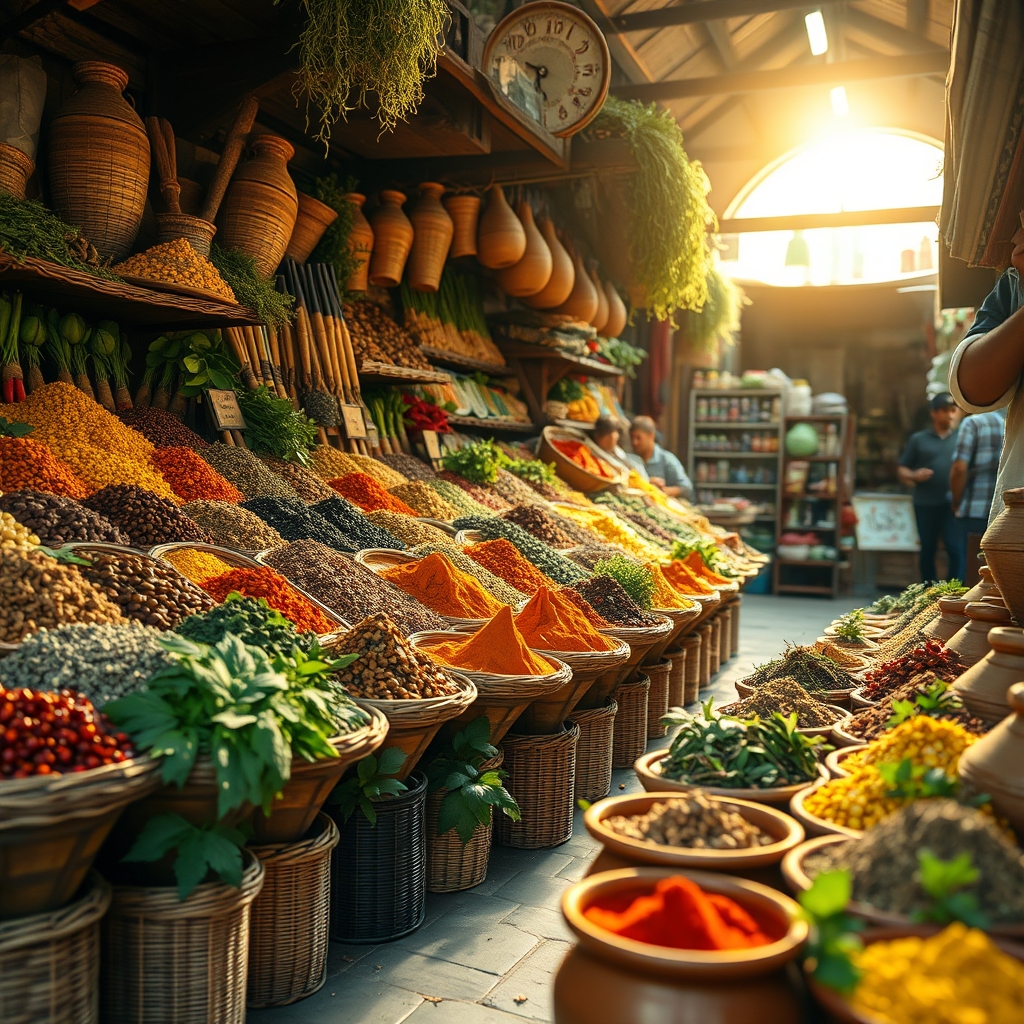
Savoring Umami
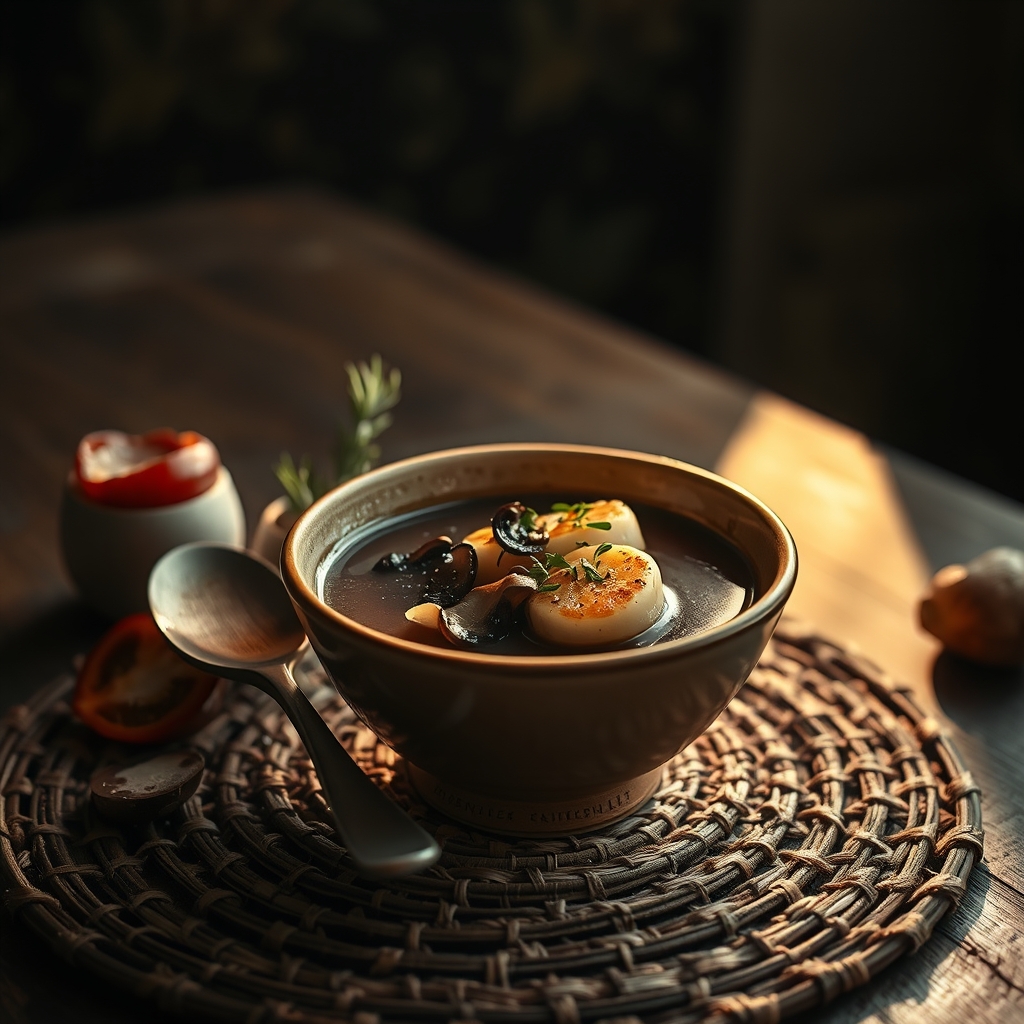
I still remember the first time I truly experienced umami flavor. I was at a small, family-owned ramen shop in Tokyo, and the rich, savory broth hit my taste buds like a revelation. It was as if I had been eating in black and white, and suddenly the world was in color. The depth and complexity of that flavor has stayed with me to this day, and I've been on a mission to understand and savor the elusive fifth element of taste.
For a long time, umami was the mysterious and often misunderstood cousin of sweet, sour, bitter, and salty. It wasn't until the early 20th century that Japanese chemist Kikunae Ikeda isolated glutamate, the compound responsible for umami flavor, from seaweed. Since then, our understanding of umami has grown, but it remains a flavor that's difficult to put into words. It's earthy, it's savory, it's meaty – but it's also so much more than that. Umami is the flavor of richness and depth, of slow-cooked sauces and perfectly aged cheeses.
The Science of Umami
So what exactly is umami, and how do we experience it? At its core, umami is the taste of glutamates, which are naturally occurring amino acids found in many foods. Glutamates bind to specific receptors on our tongues, sending a signal to our brains that says, "This food is rich and savory." It's a flavor that's closely tied to the way we process and enjoy food, and it plays a crucial role in many of the world's cuisines. From the soy sauce and miso of Japanese cooking to the tomatoes and mushrooms of Italian cuisine, umami is a flavor that adds depth and complexity to a wide range of dishes.
One of the most interesting things about umami is the way it enhances other flavors. When we eat a food that's high in umami, it can make other flavors seem more intense and vivid. This is why a sprinkle of parmesan cheese can elevate a simple pasta dish, or why a rich demiglace can add depth to a grilled steak. Umami has a way of balancing and harmonizing flavors, creating a sense of balance and cohesion that's essential to great cooking.
Cooking with Umami
So how can we harness the power of umami in our own cooking? For me, it starts with a few key ingredients: soy sauce, miso paste, and fish sauce are all staples in my pantry, and I use them to add depth and richness to a wide range of dishes. I'm also a big fan of slow-cooked sauces and braises, which allow the natural glutamates in foods like meat and vegetables to emerge and intensify. And of course, there's no substitute for high-quality ingredients – a great piece of cheese or a perfectly ripe tomato can add a level of umami flavor that's hard to replicate with anything else.
As I've explored the world of umami, I've also become more aware of the way it can be used to balance and enhance other flavors. A splash of soy sauce can balance the sweetness of a dish, while a sprinkle of parmesan cheese can add a salty, savory element. By understanding how umami works, and how it interacts with other flavors, we can create dishes that are more nuanced and sophisticated – dishes that truly sing with flavor.
The Umami Experience
In the end, savoring umami is all about slowing down and appreciating the rich, complex flavors that make food so enjoyable. It's about taking the time to cook a sauce from scratch, or to appreciate the depth and richness of a perfectly aged cheese. When we focus on umami, we're reminded that food is more than just fuel – it's an experience that can evoke emotions, create memories, and bring people together. So the next time you sit down to a meal, take a moment to appreciate the umami flavors that are at work. You might just find that it's the key to unlocking a whole new world of flavor and enjoyment.
I explored a related angle in Flavors of Street Food if you want to keep pulling this thread.
For me, the pursuit of umami is a lifelong journey – a journey that's taken me to restaurants and markets around the world, and introduced me to a wide range of flavors and ingredients. It's a journey that's taught me to slow down, to appreciate the little things, and to never stop exploring. And it's a journey that I hope will inspire you to do the same – to seek out new flavors, to experiment with new ingredients, and to never stop savoring the rich, complex world of umami.