Saffron Sunset: A Journey Through Persian Desserts
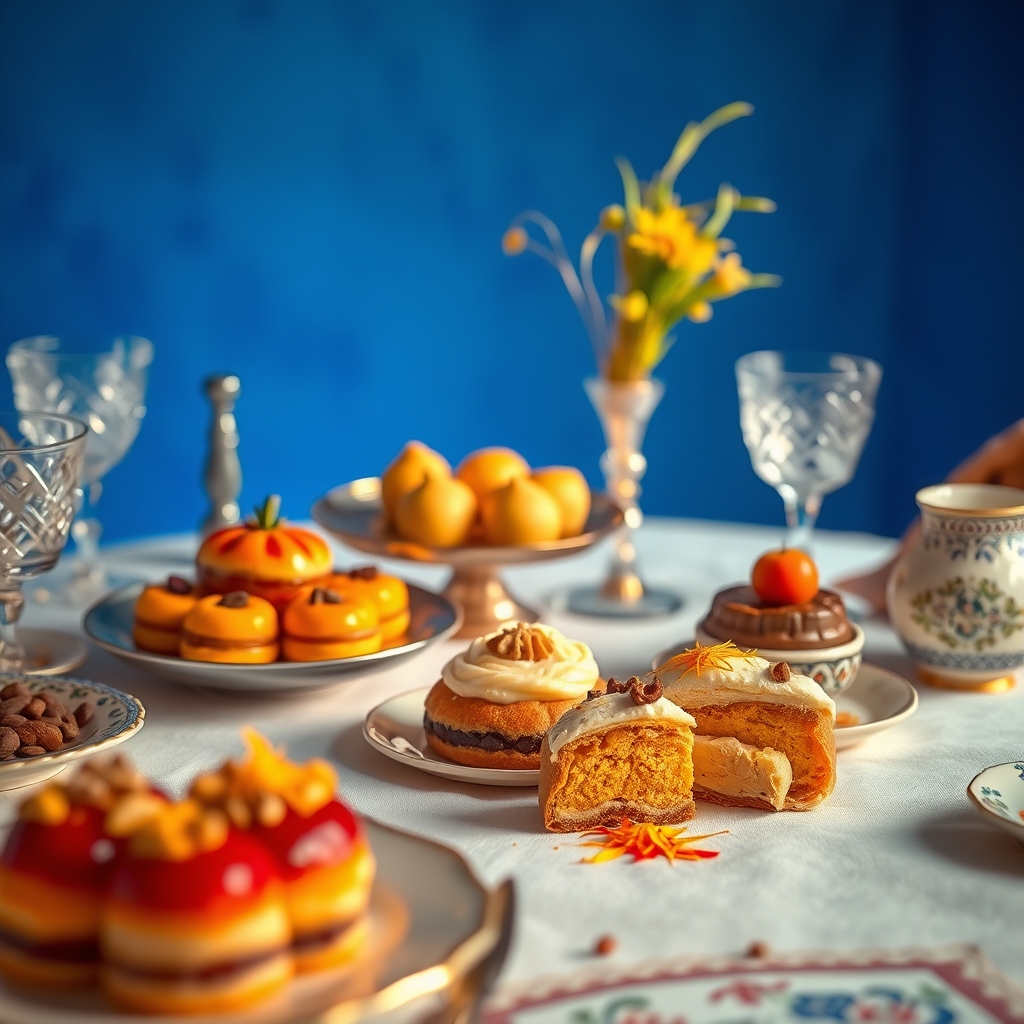
As I delved into the world of Persian desserts, I was struck by the sheer variety and richness of flavors that Iran has to offer. From the delicate rosewater-infused pastries to the decadent saffron-soaked puddings, every dessert is a masterclass in balance and restraint. My journey through Persian desserts took me on a winding path of discovery, where I encountered an array of sweet treats that not only tantalized my taste buds but also revealed the country's deep-seated love affair with sugar, spice, and everything nice.
Persian desserts are often characterized by their use of exotic spices, nuts, and dried fruits, which add depth and complexity to even the simplest of sweets. Take, for instance, the humble baklava, a pastry made with layers of flaky dough, nuts, and honey. While it may seem like a straightforward dessert, the addition of cardamom, rosewater, and orange blossom water elevates it to a whole new level, making it a truly unforgettable experience. And then there's the faloodeh, a cold dessert made with vermicelli noodles, rosewater, and lime juice, which is as refreshing as it is unique.
Uncovering the Secrets of Persian Pastries
Persian pastries are a marvel of texture and flavor, with each one showcasing the country's mastery of sugar and spice. The kulucheh, a sweet bread filled with nuts and dried fruits, is a perfect example of this. With its crispy exterior giving way to a soft, fluffy interior, it's a delight to bite into. And let's not forget the nan-e berenji, a delicate cookie made with rice flour and rosewater, which is as fragile as it is flavorful. As I sampled my way through these pastries, I began to appreciate the attention to detail that goes into each and every one, from the careful selection of ingredients to the precise technique required to craft them.
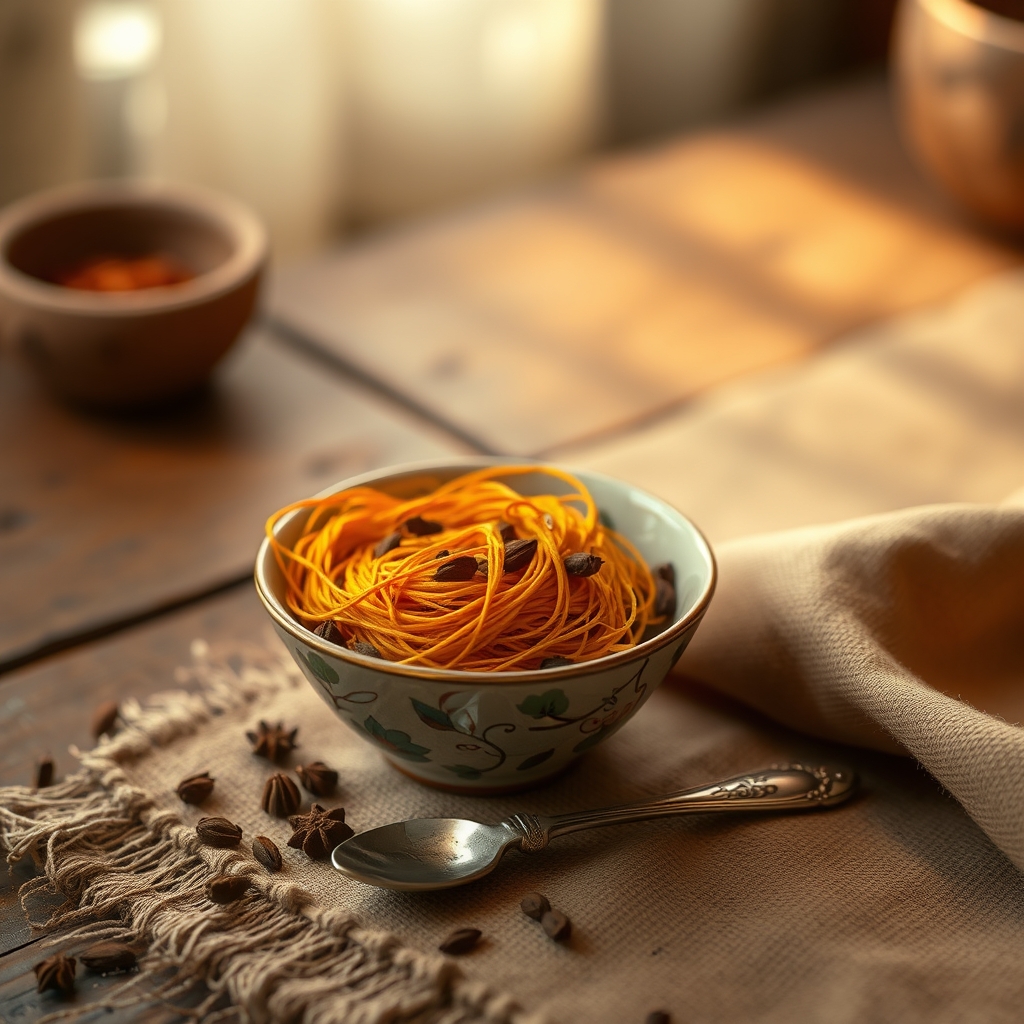
But what truly sets Persian pastries apart is their use of saffron, the prized spice that adds a subtle yet unmistakable flavor and aroma to everything it touches. Whether it's the saffron-infused cream that tops the sholeh zard, a traditional Persian rice pudding, or the saffron-soaked syrup that drizzles over the baklava, this precious spice is the unsung hero of Persian desserts. And as I watched the sun set over the bustling streets of Tehran, I couldn't help but feel a sense of wonder at the way saffron seems to capture the very essence of the Persian spirit – warm, inviting, and infinitely generous.
The Art of Persian Dessert-Making
As I learned more about the art of Persian dessert-making, I began to appreciate the patience, skill, and dedication that goes into crafting each and every sweet treat. From the intricate designs that adorn the tops of pastries to the delicate balance of flavors that underpins every dessert, it's clear that Persian dessert-making is an art form that requires a deep understanding of tradition, technique, and creativity. And yet, despite the complexity and nuance of these desserts, they remain remarkably accessible, inviting everyone to partake in the joy and beauty of Persian sweets.
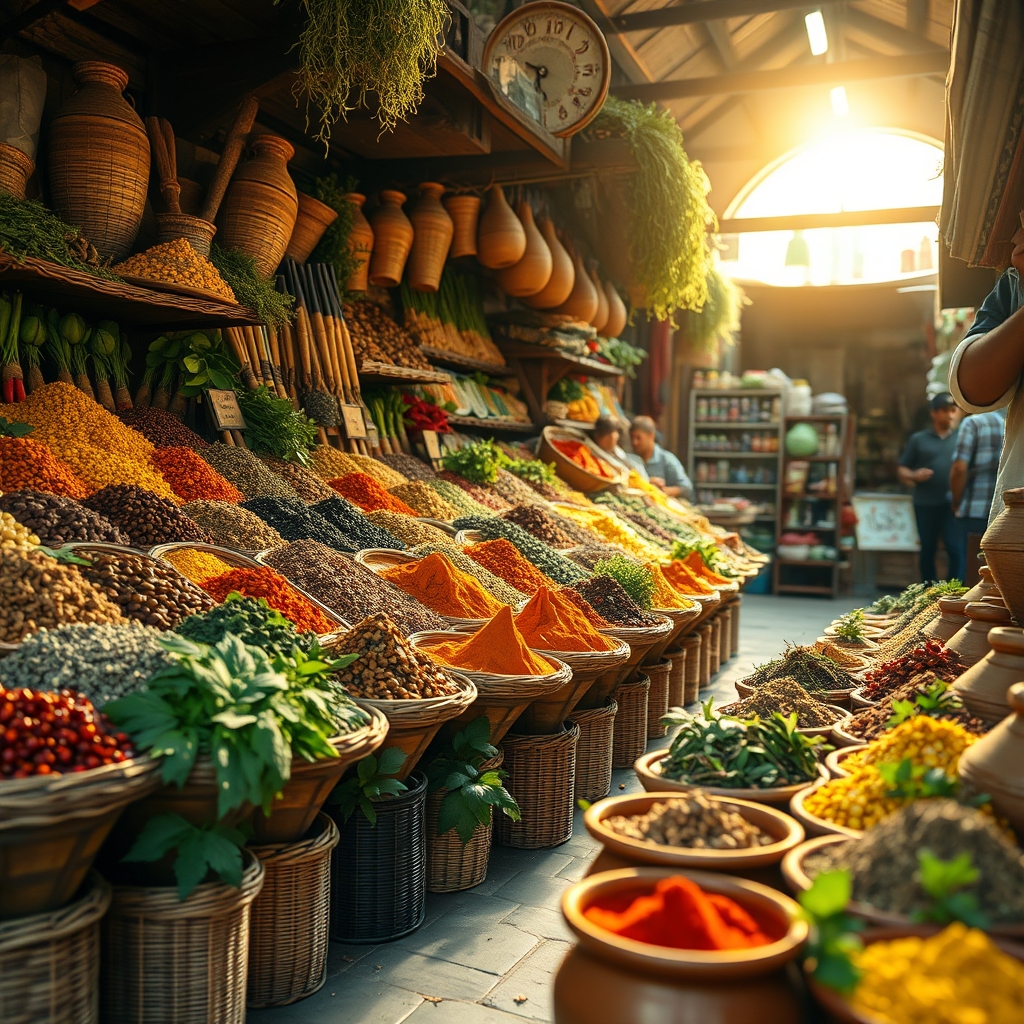
One of the most fascinating aspects of Persian dessert-making is the way it brings people together. Whether it's the family gatherings that center around the preparation of traditional sweets or the lively markets where vendors sell their wares, desserts play a vital role in Persian culture and community. As I sat down to enjoy a plate of freshly baked kulucheh, surrounded by the warm smiles and lively chatter of the people around me, I felt a deep sense of connection to this vibrant and welcoming culture. And as the sun dipped below the horizon, casting a golden glow over the city, I knew that I would carry the memory of this saffron sunset – and the sweet treasures of Persian desserts – with me forever.
A Legacy of Sugar and Spice
As I reflect on my journey through Persian desserts, I am struck by the enduring legacy of sugar and spice that underpins this ancient cuisine. From the delicate pastries that adorn the tables of Persian households to the vibrant markets where sweets are sold, it's clear that desserts play a vital role in the country's cultural heritage. And yet, despite the many changes and challenges that Iran has faced over the centuries, its desserts remain a constant source of comfort, joy, and inspiration – a testament to the power of sugar and spice to bring people together and transcend borders and boundaries.
I explored a related angle in Flavors of My Childhood if you want to keep pulling this thread.
As I look back on my travels through the world of Persian desserts, I am filled with a sense of wonder and awe at the sheer diversity and richness of this ancient cuisine. From the saffron-soaked puddings to the rosewater-infused pastries, every dessert is a masterpiece of flavor and technique, a testament to the country's deep-seated love affair with sugar, spice, and everything nice. And as I sit down to enjoy a plate of freshly baked nan-e berenji, surrounded by the warm smiles and lively chatter of the people around me, I know that I will always treasure the memory of this saffron sunset – and the sweet treasures of Persian desserts – as a reminder of the power of food to bring us together and transcend borders and boundaries.