Rethinking Office Spaces
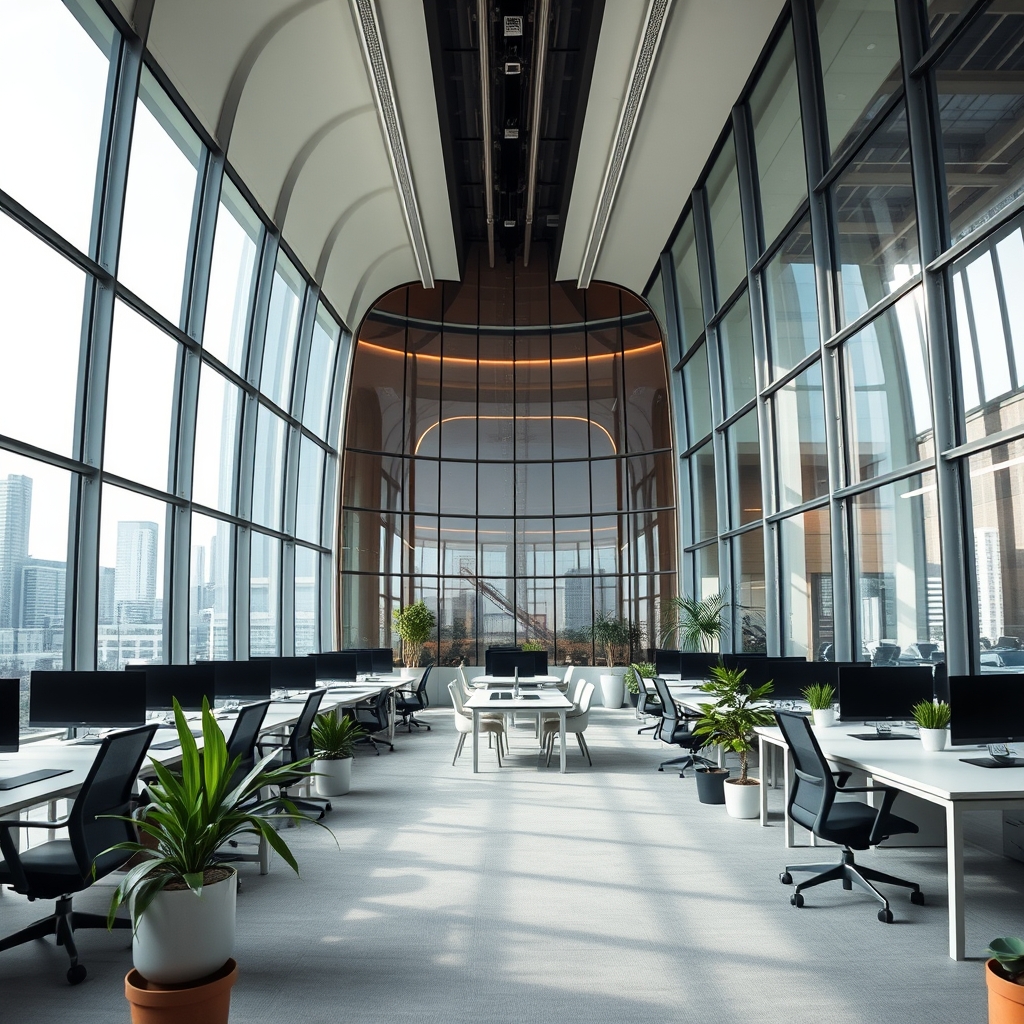
As I walk into a typical office space, I'm often met with a sea of cubicles, fluorescent lighting, and a sense of monotony that seems to suck the creativity out of the air. It's no wonder that many of us feel like our workspace is holding us back. The traditional office setup, with its rigid structures and lack of flexibility, can stifle innovation and hinder productivity. It's time to rethink the way we design our office spaces, and create environments that foster collaboration, creativity, and growth.
The old model of office design, with its emphasis on individual workstations and private offices, is no longer relevant in today's fast-paced, interconnected business world. With the rise of remote work, flexible schedules, and collaborative projects, we need spaces that can adapt to our changing needs. This might mean incorporating more open areas, where team members can gather to brainstorm and share ideas, or creating quiet rooms for focused work and concentration. By providing a variety of spaces, we can cater to different work styles and preferences, and help our teams work more effectively.
Breaking Down Barriers
One of the main obstacles to productivity in traditional office spaces is the physical barrier between team members. Cubicles and private offices can create a sense of isolation, making it difficult for colleagues to communicate and collaborate. By breaking down these barriers, we can create a more open and transparent work environment, where ideas can flow freely and teams can work together more seamlessly. This might involve replacing cubicles with open workstations, or creating communal areas where team members can gather to share ideas and socialize.
Another key aspect of rethinking office spaces is the incorporation of technology. With the rise of digital communication tools, we can now work from anywhere, at any time. However, this also means that our office spaces need to be equipped with the latest technology, to support our remote work habits and facilitate collaboration. This might include video conferencing facilities, virtual whiteboards, and other digital tools that enable team members to work together, regardless of their location. By leveraging technology, we can create more flexible and dynamic work environments, that support our changing needs and preferences.
Creating a Culture of Collaboration
Rethinking office spaces is not just about physical design; it's also about creating a culture of collaboration and innovation. This means fostering an environment where team members feel empowered to share their ideas, take risks, and experiment with new approaches. It means providing opportunities for professional development, training, and mentorship, to help our teams grow and evolve. And it means recognizing and rewarding creativity, innovation, and teamwork, to reinforce the behaviors we want to see in our organizations. By creating a culture of collaboration, we can unlock the full potential of our teams, and drive business success.
So, what does the future of office spaces look like? It's a space that is flexible, adaptable, and responsive to our changing needs. It's a space that combines technology, creativity, and collaboration, to create a dynamic and innovative work environment. It's a space that prioritizes well-being, sustainability, and social responsibility, recognizing that our workspaces have a profound impact on our health, happiness, and productivity. By rethinking our office spaces, we can create environments that inspire, motivate, and empower us, to achieve our full potential and drive business success.
Designing for the Future
As we look to the future, it's clear that the traditional office space is no longer fit for purpose. We need spaces that are designed for collaboration, creativity, and innovation, not just individual productivity. We need spaces that can adapt to our changing needs, and provide the flexibility and autonomy we need to thrive. And we need spaces that prioritize our well-being, recognizing that our health and happiness are essential to our productivity and success. By rethinking our office spaces, we can create environments that support our growth, inspire our creativity, and drive our success, both as individuals and as organizations.
I explored a related angle in Breaking Down Barriers in E-commerce if you want to keep pulling this thread.
In conclusion, our workspace should be a catalyst for creativity, innovation, and growth, not a barrier to productivity. By breaking down physical and technological barriers, creating a culture of collaboration, and designing for the future, we can create office spaces that inspire, motivate, and empower us, to achieve our full potential and drive business success. It's time to rethink the way we design our office spaces, and create environments that support our changing needs, and unlock our full potential.