Renaissance Rebels: Women of the Medici Family
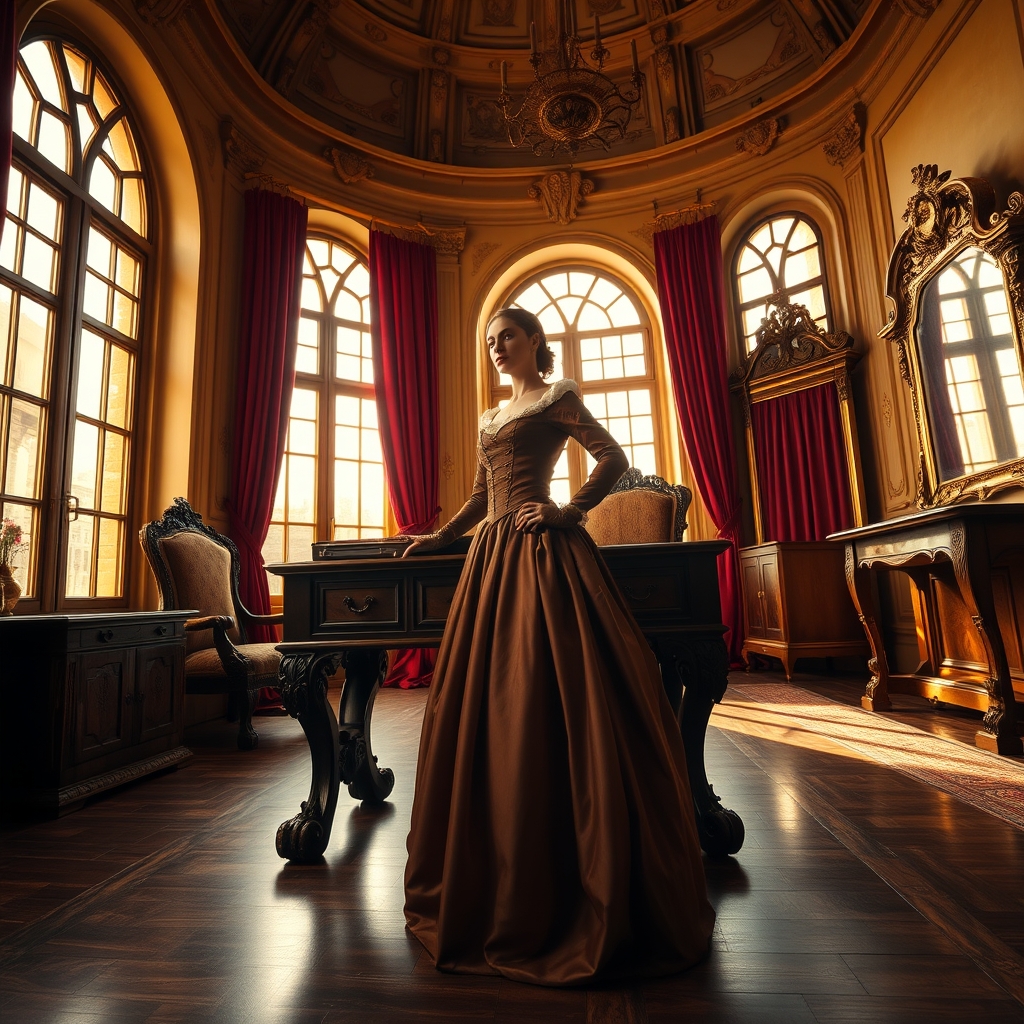
As I delve into the fascinating world of the Medici family, I am struck by the powerful women who played a crucial role in shaping Italy's rich history. These Renaissance rebels, though often overlooked, left an indelible mark on the country's art, politics, and culture. From clever politicians to talented artists, the women of the Medici family were a force to be reckoned with. Let's take a closer look at some of the most influential women of the Medici family, who defied convention and forged their own paths in a male-dominated society.
The Matriarchs: Women of Power and Influence
At the heart of the Medici family's success were the matriarchs, women who wielded significant power and influence behind the scenes. One such woman was Lucrezia Tornabuoni, the wife of Piero de' Medici and mother of Lorenzo the Magnificent. A shrewd politician and skilled diplomat, Lucrezia navigated the complex web of alliances and rivalries that defined 15th-century Italy. Her cunning and intelligence helped to secure the Medici family's position as a dominant force in Florentine politics. Another notable matriarch was Clarice Orsini, the wife of Lorenzo the Magnificent, who played a crucial role in promoting the arts and fostering a culture of intellectual curiosity within the Medici court.
These women, though often relegated to the background, were the driving force behind the Medici family's ascendancy. They managed the family's finances, oversaw the education of their children, and even advised their husbands on matters of state. Their influence extended far beyond the domestic sphere, shaping the course of Italian history in profound ways. As we explore the lives of these remarkable women, it becomes clear that they were more than just passive observers – they were active participants in the grand drama of the Renaissance.
Artistic Innovators: Women of Creative Genius
The Medici family was also home to a number of talented female artists, who made significant contributions to the cultural landscape of Renaissance Italy. One such artist was Maria de' Medici, the daughter of Francesco I de' Medici, who was a skilled painter and patron of the arts. Her support of artists like Caravaggio and Artemisia Gentileschi helped to foster a thriving artistic community in Florence. Another notable artist was Eleonora di Toledo, the wife of Cosimo I de' Medici, who was a talented musician and composer. Her love of music helped to establish the Medici court as a hub of musical innovation, attracting some of the most talented musicians of the time.
These women, though often overlooked in favor of their more famous male counterparts, were true innovators in their respective fields. They pushed the boundaries of what was possible for women in the arts, challenging conventional norms and expectations. Their creative genius, combined with their patronage and support of other artists, helped to shape the cultural heritage of Italy in lasting ways. As we celebrate the achievements of these artistic innovators, we are reminded of the profound impact that women had on the Renaissance – an impact that continues to inspire and influence us to this day.
A Legacy of Female Empowerment
As we reflect on the lives and achievements of the women of the Medici family, it becomes clear that they left a lasting legacy of female empowerment. These Renaissance rebels, though often constrained by the social norms of their time, refused to be bound by convention. They forged their own paths, pursuing their passions and interests with courage and determination. In doing so, they paved the way for future generations of women, inspiring them to challenge the status quo and strive for greatness. Today, as we look back on the remarkable achievements of the Medici women, we are reminded of the power of female leadership and the importance of promoting gender equality in all aspects of life.
I explored a related angle in Uncovering the Secrets of Angkor Wat if you want to keep pulling this thread.
The story of the Medici women serves as a testament to the enduring power of female creativity, intelligence, and determination. It is a story that continues to inspire and captivate us, offering a glimpse into a bygone era of elegance, sophistication, and cultural achievement. As we honor the memory of these remarkable women, we are reminded of the profound impact that they had on the course of Italian history – and the lasting legacy that they left behind for us to cherish and admire.