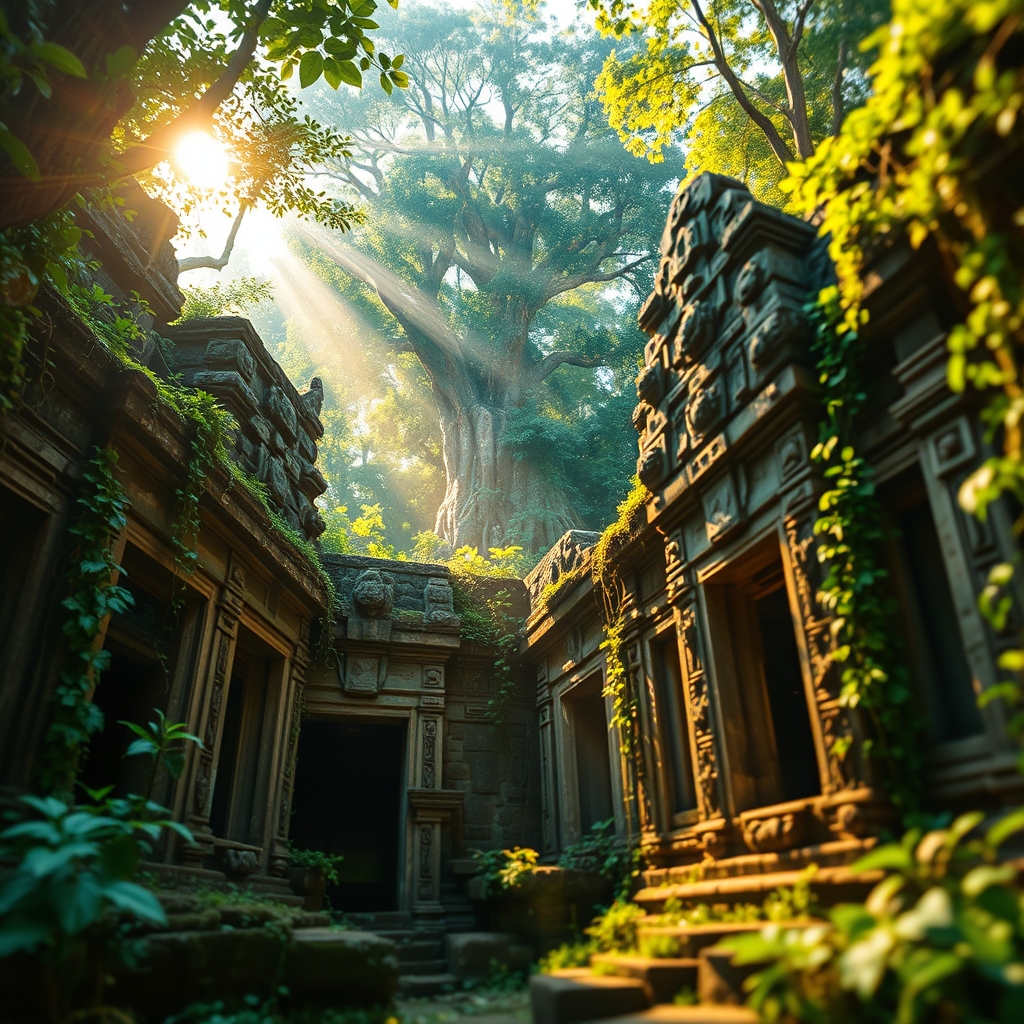
Hidden Histories of Island Nations
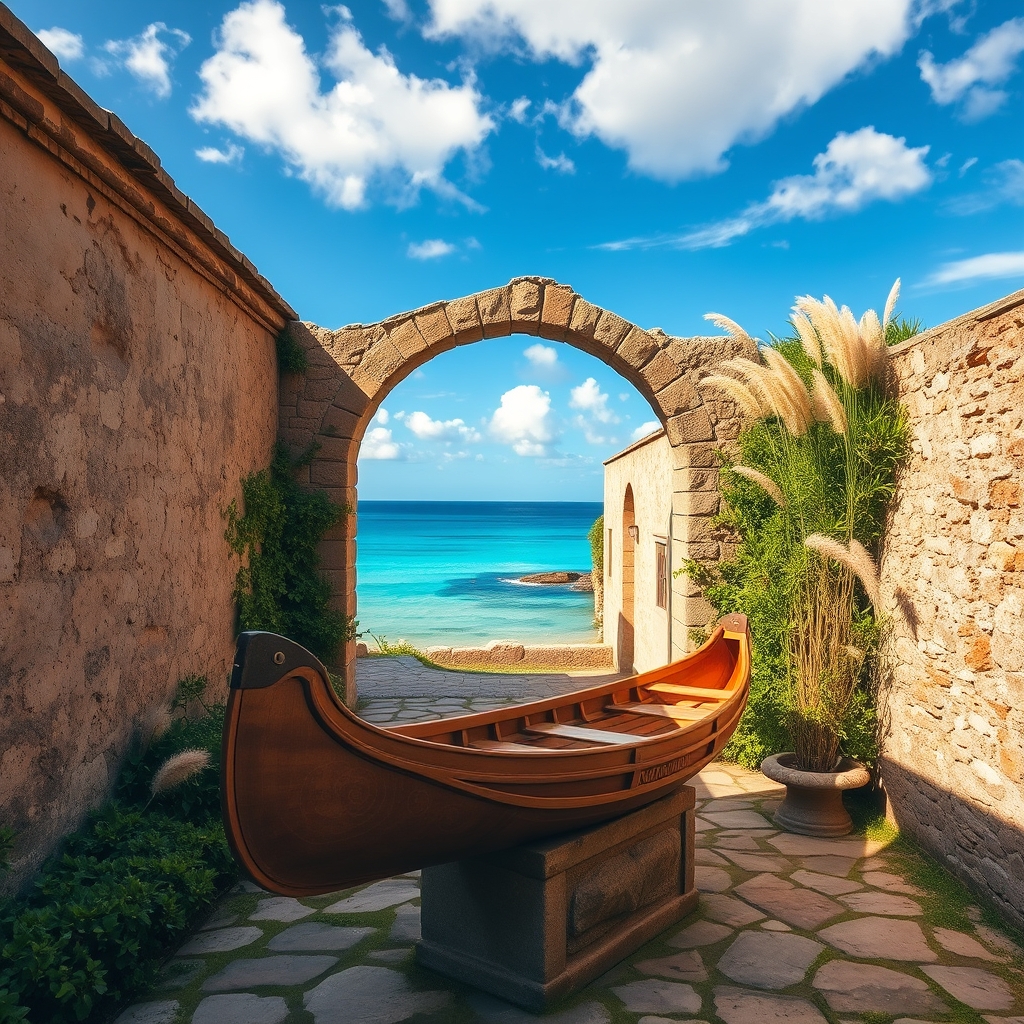
I've always been fascinated by the stories of island nations, places where history and culture have been shaped by their unique geography. As an outsider, it's easy to assume that these islands are isolated and disconnected from the rest of the world, but the truth is that they have been crossroads of trade, migration, and cultural exchange for centuries. In this blog post, I want to take you on a journey to uncover some of the hidden histories of island nations, and explore the secrets that lie beneath their idyllic surfaces.
From the ancient temples of Easter Island to the vibrant markets of Madagascar, each island nation has its own distinct character and story to tell. But despite their differences, many of these islands share a common experience of colonization, exploitation, and cultural suppression. The history of these islands is often marked by the arrival of outsiders, who brought with them new technologies, languages, and customs that disrupted the traditional ways of life. In some cases, this led to the erasure of indigenous cultures and the imposition of foreign systems of governance and economy.
One of the most striking examples of this is the story of Hawaii, which was annexed by the United States in 1898. The native Hawaiian population was subjected to forced assimilation, land confiscation, and cultural suppression, leading to the loss of their language, traditions, and way of life. Today, however, there is a growing movement to revitalize the Hawaiian language and culture, and to recognize the historical injustices that were perpetrated against the native population. This is just one example of the complex and often fraught history of island nations, and the ways in which their cultures have been shaped by the forces of colonization and globalization.
Uncovering the Past
So how do we uncover the hidden histories of island nations? One approach is to look at the material culture of these islands, including their art, architecture, and artifacts. For example, the ancient stone statues of Easter Island, known as moai, are a fascinating example of the island's rich cultural heritage. These statues, which were created between 1200 and 1500 AD, are believed to have been used for ceremonial and spiritual purposes, and offer a unique glimpse into the lives and beliefs of the island's ancient inhabitants. Similarly, the traditional textiles and handicrafts of island nations such as Fiji and Samoa provide a window into the daily lives and customs of their people.
Another approach is to listen to the stories and oral traditions of island communities. In many cases, these stories have been passed down through generations, and offer a unique perspective on the history and culture of the island. For example, the stories of the indigenous people of New Zealand, known as the Maori, provide a rich and detailed account of the island's history and mythology. These stories, which are often told through song, dance, and performance, offer a powerful way to connect with the past and to understand the cultural values and traditions of the island.
Finally, it's also important to recognize the role that island nations have played in shaping global history and culture. From the slave trade to the modern-day tourism industry, island nations have been at the forefront of many of the major economic and cultural trends of the past few centuries. For example, the island of Jamaica played a significant role in the development of the Caribbean sugar industry, which was fueled by the transatlantic slave trade. Today, Jamaica is a major player in the global music industry, with reggae and dancehall music enjoying a huge following around the world.
Cultural Exchange and Identity
One of the most interesting aspects of island nations is the way in which they have been shaped by cultural exchange and migration. Many island nations have been settled by people from a variety of different cultures, including European colonizers, African slaves, and Asian indentured servants. This has created a unique cultural landscape, in which different traditions and customs have been blended together to create something new and distinct. For example, the island of Trinidad and Tobago is home to a vibrant cultural scene, which reflects the island's history of African, European, and Asian migration. The island's famous carnival celebrations, which take place every year, are a testament to the creativity and diversity of its people.
Despite the many challenges that they face, island nations are also places of great beauty and resilience. From the stunning natural landscapes of Bora Bora to the vibrant cities of Singapore, these islands are home to a diverse range of cultures, traditions, and ways of life. As we learn more about the hidden histories of island nations, we are reminded of the importance of preserving and respecting the cultural heritage of these unique and special places. By doing so, we can help to promote a greater understanding and appreciation of the diversity and complexity of human culture, and work towards a more inclusive and equitable world.
Preserving the Future
So what can we do to help preserve the cultural heritage of island nations? One approach is to support local communities and initiatives that are working to promote and preserve their cultural traditions. This can include supporting local artists and artisans, visiting cultural festivals and events, and learning about the history and customs of the island. We can also help to raise awareness about the challenges faced by island nations, including climate change, economic inequality, and cultural suppression. By working together, we can help to promote a greater understanding and appreciation of the diversity and complexity of human culture, and work towards a more sustainable and equitable future for all.
I explored a related angle in Uncharted Explorers of the Ancient World if you want to keep pulling this thread.
As I reflect on the hidden histories of island nations, I am reminded of the power of culture and tradition to shape our lives and our communities. These islands may be small and isolated, but they are also places of great beauty and resilience, and offer a unique perspective on the human experience. By uncovering their secrets and preserving their cultural heritage, we can help to promote a greater understanding and appreciation of the diversity and complexity of human culture, and work towards a more inclusive and equitable world.