Finding Flow in Everyday Life
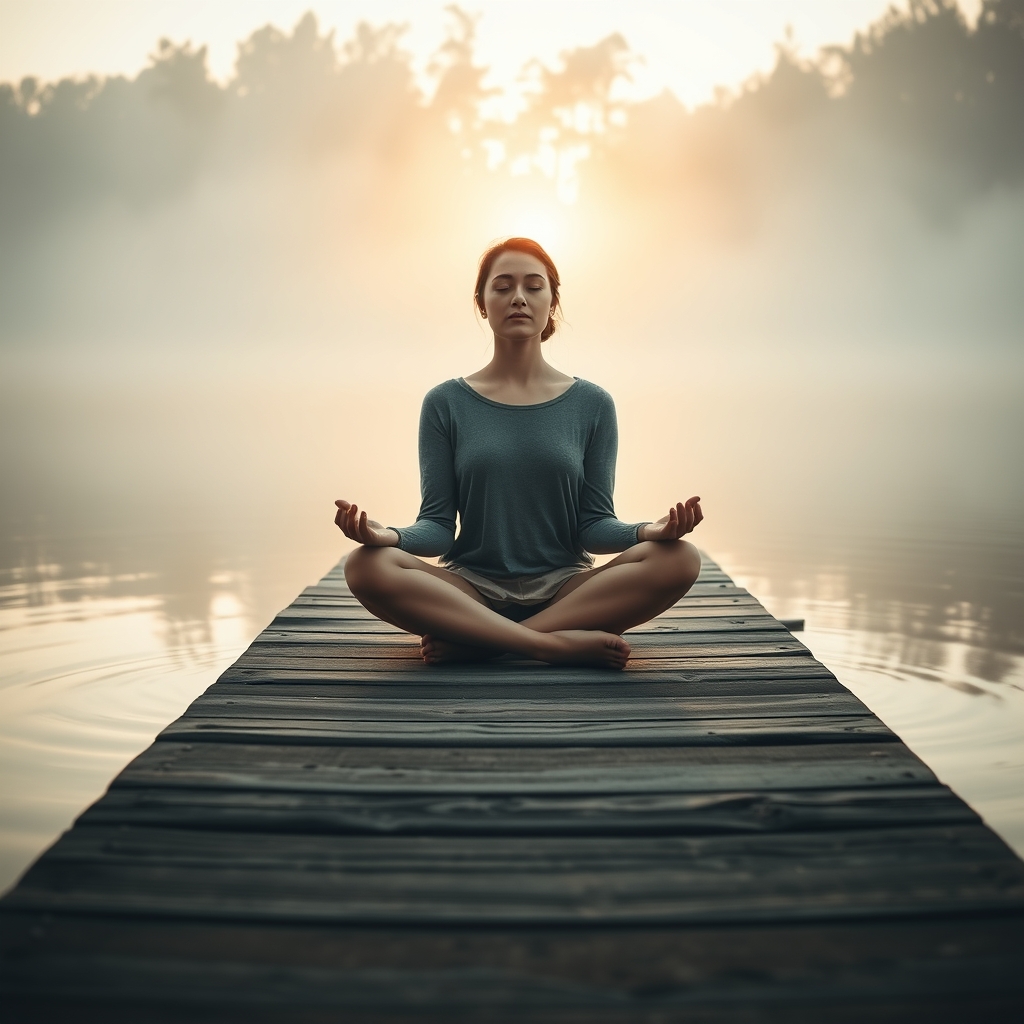
Unlocking our full potential is a concept that has been debated and explored by philosophers, psychologists, and everyday people for centuries. At its core, it's about finding a state of being where we're completely absorbed in the present moment, our skills and challenges are perfectly balanced, and we're able to perform at our best. This state is known as "flow," a term coined by Mihaly Csikszentmihalyi, a Hungarian psychologist who dedicated his life to studying happiness and fulfillment. Flow is that elusive, optimal state where we're fully engaged, motivated, and immersed in an activity, and it's the key to unlocking our full potential.
So, how do we find flow in everyday life? It's not just about being good at something or enjoying it; it's about creating an environment that fosters complete absorption and engagement. For me, flow is about finding activities that challenge me, yet are still within my skill set. It's about setting clear goals and focusing on the process, rather than the outcome. When I'm in flow, I'm not worried about what others think or whether I'm going to succeed or fail; I'm completely focused on the task at hand. And that's where the magic happens – when we're able to let go of our ego, our fears, and our doubts, and simply be present in the moment.
Understanding the Conditions for Flow
To find flow, we need to understand the conditions that make it possible. According to Csikszentmihalyi, there are several key elements that contribute to the flow experience. These include clear goals, immediate feedback, a sense of control, a balance between challenge and skill, and a merging of action and awareness. When these conditions are met, we're able to enter a state of complete absorption, where our sense of self disappears, and we become one with the activity. It's a feeling that's difficult to describe, but it's one of the most rewarding and fulfilling experiences we can have.
For example, imagine a musician who's completely absorbed in playing a musical instrument. They're not thinking about the notes, the rhythm, or the audience; they're simply playing, lost in the music. Or consider an athlete who's fully focused on the game, their movements becoming automatic and effortless. In both cases, the individual is in flow, completely engaged and immersed in the activity. And it's not just limited to these examples – flow can be found in any activity, from work to leisure, as long as the conditions are right.
Applying Flow to Daily Life
So, how can we apply the concept of flow to our daily lives? The first step is to identify activities that have the potential to induce flow. These might be things we're passionate about, things we're good at, or things that challenge us in a positive way. Once we've identified these activities, we can start to create an environment that fosters flow. This might involve setting clear goals, finding ways to receive immediate feedback, or developing a sense of control over the activity. We can also try to eliminate distractions, focus on the process, and let go of our ego and fears.
Another key aspect of applying flow to daily life is to find ways to make everyday activities more engaging and challenging. This might involve taking on new responsibilities, learning new skills, or finding ways to make mundane tasks more enjoyable. For example, if we're stuck in a boring job, we might try to find ways to make it more challenging or engaging, such as taking on new projects or finding ways to improve our skills. By doing so, we can turn even the most mundane activities into opportunities for flow and growth.
Cultivating a Flow Mindset
Finally, cultivating a flow mindset is essential for finding flow in everyday life. This involves developing a sense of curiosity, openness, and creativity, and being willing to take risks and challenge ourselves. It also involves letting go of our need for control and perfection, and being okay with making mistakes. When we're able to cultivate this mindset, we're able to approach life with a sense of wonder, excitement, and anticipation, and we're more likely to find flow in even the most unexpected places. By doing so, we can unlock our full potential, achieve greater happiness and fulfillment, and live a more meaningful and purposeful life.
I explored a related angle in Embracing Impermanence if you want to keep pulling this thread.
In conclusion, finding flow in everyday life is a powerful way to unlock our full potential, achieve greater happiness and fulfillment, and live a more meaningful and purposeful life. By understanding the conditions for flow, applying them to our daily lives, and cultivating a flow mindset, we can create an environment that fosters complete absorption and engagement, and allows us to perform at our best. So, let's make a commitment to seek out flow in our daily lives, to challenge ourselves, and to cultivate a sense of curiosity and openness. By doing so, we can unlock our full potential and achieve greatness.