Cooking as Cultural Connection
This post contains affiliate links. If you purchase through them, I may earn a small commission at no extra cost to you.
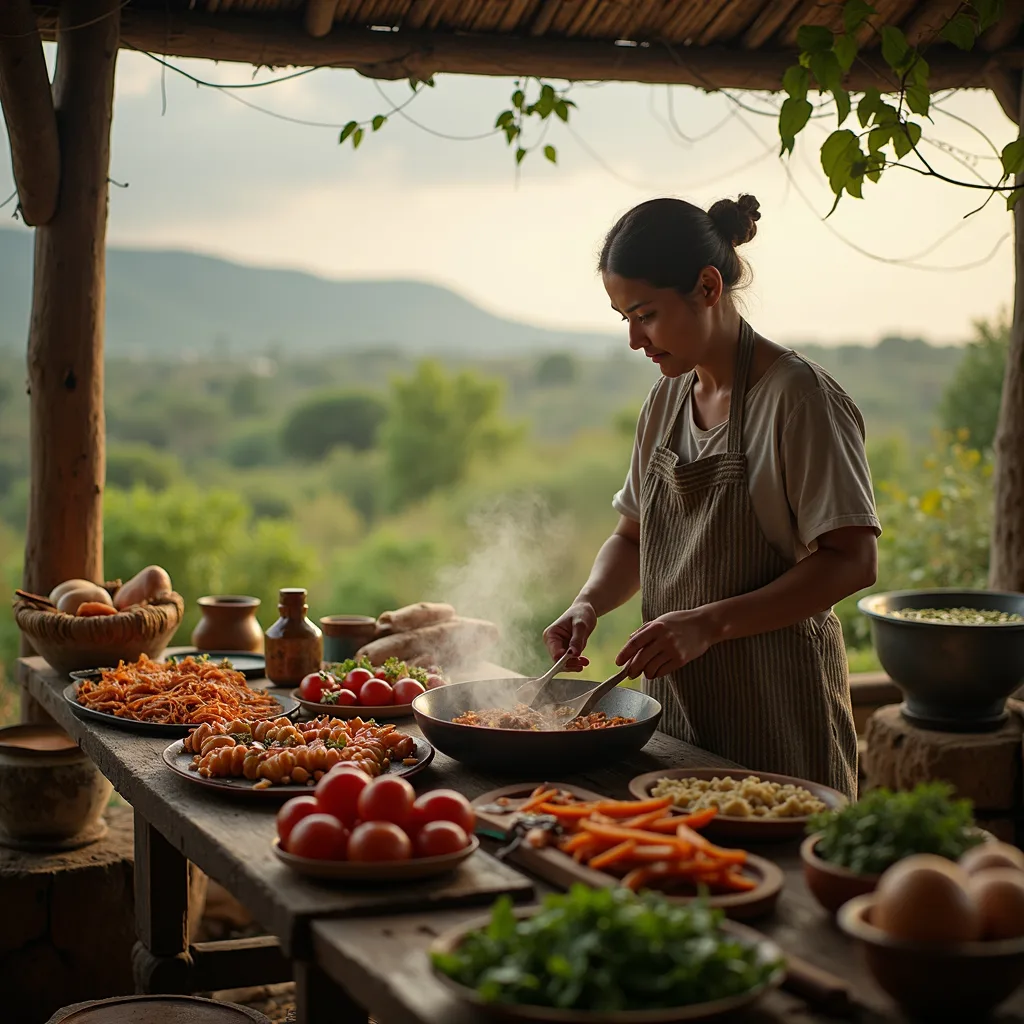
Every recipe is a story. Every dish carries the fingerprints of the hands that made it before—mothers, grandmothers, ancestors whose names we may have forgotten but whose flavors we still taste.
When I wrote Flavors of the Motherland, I wasn't trying to write a cookbook. I was trying to capture something that gets lost when we reduce food to ingredients and instructions: the meaning behind the meals.
Food Is Memory
There's a reason certain smells transport us instantly to childhood. The brain processes smell through the same regions that handle emotion and memory. When you smell your grandmother's cooking, you're not just detecting molecules—you're accessing decades of stored experience.
African cuisine, in particular, carries layers of history. The spices tell stories of ancient trade routes. The techniques reveal adaptations to local ingredients across generations. The communal nature of meals reflects values that predate any of us.
To cook these dishes is to participate in that history.
The Diaspora Kitchen
For those of us in the diaspora, cooking becomes an act of preservation. We may be thousands of miles from the places our families came from. The ingredients may be substituted, adapted to what's available. But the essence travels.
I've watched people tear up over a dish that tasted like home—a home they may have never physically visited but carry in their bones. That's the power of food. It connects us across distance and time.
Beyond Recipes
Flavors of the Motherland includes recipes, yes. But more importantly, it includes context:
- The cultural significance of certain dishes
- The occasions when they're traditionally served
- The variations across regions and families
- The stories that get passed down alongside the techniques
Because a recipe without context is just chemistry. With context, it becomes culture.
Cooking Together
One thing I emphasize in the book: cooking is rarely a solo act. The best meals come from kitchens full of conversation, where techniques are demonstrated rather than just described, where the younger generation learns by watching and participating.
If you have elders who cook traditional dishes, spend time with them in the kitchen. Don't just ask for the recipe—ask for the story. Ask about their mother's version, and her mother's before that. Record it if you can. These are the details that don't survive on recipe cards.
An Invitation
Whether your heritage connects to Africa or not, I hope Flavors of the Motherland inspires you to think differently about the food you make and eat. Every cuisine has this depth. Every family has dishes that carry meaning beyond nutrition.
Find those dishes. Learn their stories. Cook them with intention.
Because when you do, you're not just making dinner. You're keeping a connection alive.
Explore African culinary heritage in Flavors of the Motherland, available now on Amazon.